
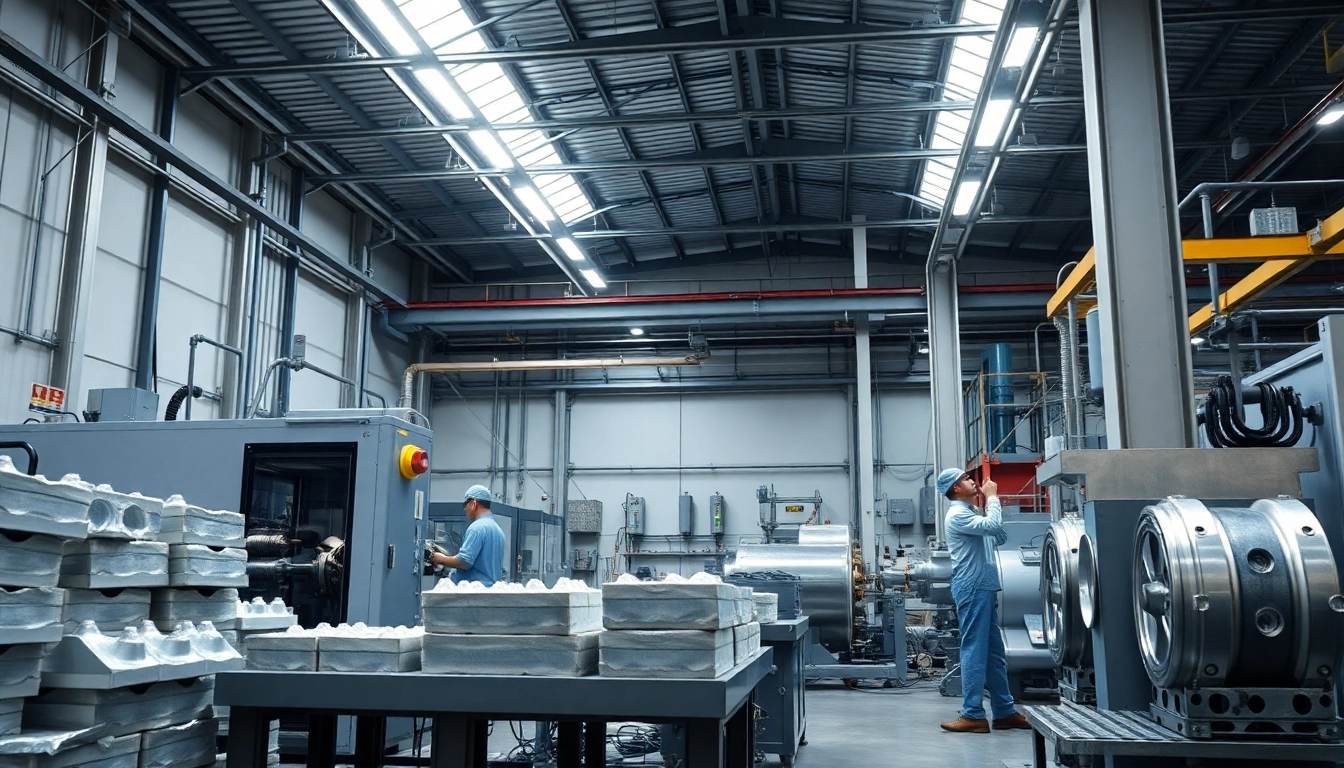
Understanding Die Casting: An Overview of the Process
Die casting is a precision manufacturing process that involves forcing molten metal into molds to produce complex shapes and parts. This method is widely recognized for its ability to create high-quality components with exceptional dimensional accuracy and detail. As industries grow increasingly competitive, businesses seek out reliable partners, which is why the right die casting company malaysia can make all the difference in achieving production goals.
The Fundamentals of Die Casting Manufacturing
At its core, die casting utilizes a combination of heat and pressure to mold metal, generally aluminum or zinc, into desired shapes. The process begins with the melting of metal alloys, which are then injected at high speeds into pre-made molds known as dies. These dies are typically made from hardened steel to withstand high pressure and repeated use. Once the metal cools and solidifies, the dies are opened, and the finished part is extracted. This process allows for minimal waste and high production rates, making it a preferred choice in various industries.
Materials Used in Die Casting: A Focus on Aluminum
Aluminum is one of the most commonly used materials in die casting due to its lightweight properties and excellent corrosion resistance. It can be alloyed with elements like copper, magnesium, and silicon to enhance its strength and durability. The choice of material is crucial as it impacts not only the production process but also the performance characteristics of the final product. Additionally, aluminum die-cast parts can be easily machined, further expanding their applications across industries.
Benefits of Choosing a Die Casting Company Malaysia
Partnering with a reputable die casting company in Malaysia offers numerous benefits. Firstly, Malaysia is strategically located in Southeast Asia, providing easy access to emerging markets and supply chains. Furthermore, local manufacturers benefit from lower logistical costs and shorter lead times. Companies like Sena Diecasting leverage these advantages to deliver high-quality, cost-effective solutions tailored to their client’s needs. The ability to work closely with manufacturers ensures better communication and faster response to urgent requirements.
Key Applications of Die Casting Across Industries
Automotive Sector: Precision Parts and Components
The automotive industry is one of the largest consumers of die-cast components. Parts such as engine blocks, transmission housings, and structural components are frequently produced using die casting due to the process’s ability to create lightweight yet robust parts. This directly contributes to vehicle efficiency and performance. As the demand for electric vehicles (EVs) grows, manufacturers are turning to aluminum die casting to reduce weight and improve energy efficiency further.
Electronics and Appliance Manufacturing
Die casting plays a critical role in the electronics and home appliance sectors by providing components like housings, frames, and connectors. The precision of die casting allows for intricate designs and tight tolerances, which are essential for the functionality of electronic devices. As technology advances, especially with the rise in smart home devices, the demand for high-quality die-cast parts will continue to surge.
Heavy Machinery and Industrial Equipment
In the heavy machinery and industrial equipment sector, die casting is used to produce durable components that can withstand harsh operating conditions. Applications include parts for construction machinery, agricultural equipment, and manufacturing tools. The ability to produce complex shapes and integrate multiple functions into single castings can significantly reduce assembly time and costs, making die casting an attractive option for manufacturers in these industries.
Choosing the Right Die Casting Company in Malaysia
Evaluating Capabilities and Technology
When selecting a die casting company, it is essential to evaluate their capabilities, including the technologies they use for casting and finishing. Advanced techniques, such as robotic automation, can enhance precision and reduce production times. A modern die casting company should offer a variety of services, including surface finishing and machining, ensuring that the components meet the highest quality standards.
Industry Certifications and Quality Standards
Quality assurance is paramount in die casting. Look for companies that adhere to international standards such as ISO 9001 or TS 16949, especially if you operate in the automotive sector. Certifications indicate that a company has established quality management systems to ensure consistent performance in its processes. A reliable die casting company will often provide detailed documentation on their quality assurance protocols.
Customer Support and Partnership Models
An ideal die casting partner should not only offer quality products but also provide excellent customer support. Building a partnership where both parties can communicate effectively will lead to better outcomes, especially in resolving issues that may arise during production. Furthermore, companies that offer design assistance and prototyping can help streamline the development process, saving both time and resources.
Challenges in Die Casting and How to Overcome Them
Common Misconceptions About Die Casting Processes
One of the most common misconceptions is that die casting is only suitable for high-volume production runs. While it shines in mass production, recent advancements have made it viable for lower volumes, especially when rapid prototyping is needed. Educating stakeholders about the flexibility and efficiency of modern die casting techniques is essential for overcoming this challenge.
Addressing Production Bottlenecks Effectively
Production bottlenecks can hinder the efficiency of the die casting process. Identifying potential issues like tool wear, equipment downtime, or inefficient workflow layout is vital. Implementing predictive maintenance for machinery and conducting regular training for staff can significantly reduce these bottlenecks. Moreover, adopting a lean manufacturing approach can lead to a more streamlined process.
Strategies for Reducing Costs Without Compromising Quality
Cost reduction is often a priority for manufacturers. Employing strategies such as optimizing the design for manufacturability, using more efficient machinery, and minimizing scrap rates can lead to significant savings. Additionally, fostering a culture of continuous improvement (Kaizen) among employees can generate innovative solutions to cut costs while maintaining quality.
Future Trends in Die Casting: What to Expect in 2025
Technological Advancements Shaping Die Casting
The die casting industry is set to experience significant technological advancements in the coming years. Innovations like 3D printing technologies integrated with die casting processes allow for rapid prototyping and the creation of more complex mold geometries. Additionally, artificial intelligence and machine learning are being incorporated into production processes to enhance quality control and predictive maintenance.
Sustainability Practices in Die Casting Manufacturing
With increasing awareness of environmental issues, sustainability practices are becoming integral to die casting manufacturers. This includes using recycled materials, reducing energy consumption in casting processes, and implementing waste recyclability programs. As consumers demand greener products, die casting companies are adapting their operations to meet this demand.
Emerging Markets and Global Opportunities
As the global economy continues to evolve, die casting companies will need to explore new markets. Emerging economies in Asia and Africa present significant growth opportunities as demand for automotive and electronic products increases. However, companies must remain adaptable to local market needs and regulatory requirements to capitalize on these opportunities effectively.
