Understanding WEEE Recycling Reading
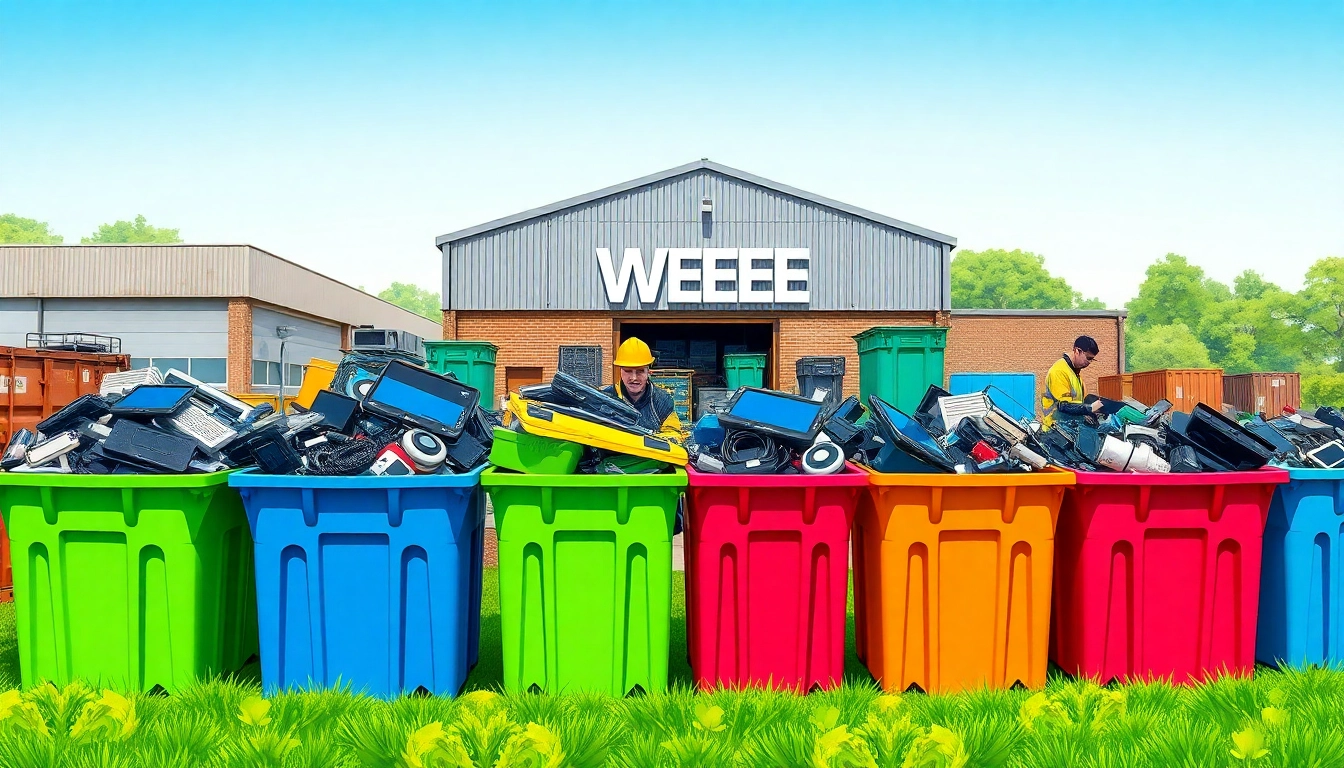
As technology continues to evolve, the amount of electronic waste we generate increases exponentially. In the context of Reading, properly managing this waste is crucial for both environmental sustainability and public health. weee recycling reading refers to the recycling of Waste Electrical and Electronic Equipment (WEEE), a category that encompasses discarded appliances ranging from computers and mobile phones to fridges and televisions. Understanding the intricacies of WEEE recycling can help individuals and businesses contribute to a greener community.
What is WEEE?
WEEE stands for Waste Electrical and Electronic Equipment. This term describes all types of electrical and electronic devices that are discarded by consumers, businesses, or institutions. The European Union has established regulations surrounding WEEE to ensure that it is properly managed and recycled. Not only do these regulations aim to minimize the environmental impact of electronic waste, but they also emphasize the principles of circular economy—maximizing resource efficiency by reusing materials rather than disposing of them.
The Importance of WEEE Recycling
WEEE recycling is essential for several reasons:
- Environmental Protection: Many electronic devices contain hazardous substances, such as lead, cadmium, and mercury, which can leach into the soil and water if not disposed of properly. Recycling mitigates this risk.
- Resource Conservation: Electronics are composed of valuable materials, such as gold, silver, and rare earth elements. Recycling ensures these materials are recovered and reused, reducing the need for mining and manufacturing.
- Economic Benefits: The recycling industry creates jobs and supports local economies by procuring materials that can be refurbished or reused, thereby reducing material costs for manufacturers.
Types of WEEE Collected
WEEE can be broadly categorized into several types:
- Small Household Appliances: Items such as toasters, kettles, and vacuum cleaners fall under this category.
- IT and Telecommunications Equipment: This includes computers, monitors, telephones, and other related gadgets.
- Consumer Electronics: Devices ranging from televisions to gaming consoles are included here.
- Large Household Appliances: Refrigerators, washing machines, and dishwashers are key players in this sector.
- Medical Devices: Equipment that is no longer in use but may still contain sensitive materials is also categorized under WEEE.
How WEEE Recycling Works
Collection and Transportation Process
The first step in effective WEEE recycling is the collection of waste. In Reading, there are multiple avenues for the collection of WEEE:
- Drop-off Points: Residents can take their electronic waste to designated recycling centers throughout the area.
- Collection Services: Many businesses and local councils offer scheduled collection services for WEEE, making it easier for households to dispose of large items responsibly.
Once collected, the transport of waste to recycling facilities involves careful handling to prevent damage and leakage of hazardous materials.
Sustainable Disposal Methods
After transportation, the WEEE undergoes various processes to recover reusable materials. These may include:
- Sorting: Electronic waste is sorted into different categories based on material type and hazardous content.
- Deconstruction: Manual or mechanical dismantling of devices to extract valuable components.
- Recycling: Converted materials (plastic, metal, glass) are processed for reuse in new products.
Sustainable disposal is paramount, ensuring that all hazardous materials are dealt with in compliance with regulations and technical standards.
Recycling vs. Landfilling
One of the most pressing issues surrounding WEEE is the choice between recycling and landfilling. Recycling is far superior as it:
- Helps conserve natural resources
- Reduces pollution caused by landfills
- Supports the economy through the recovery of materials
Ultimately, prioritizing recycling over landfill disposal is not only beneficial for the environment but also enhances the sustainability of the community as a whole.
Benefits of WEEE Recycling Reading
Environmental Impact
The environmental implications of WEEE recycling are significant. Through the recycling process, harmful substances are contained and managed, preventing them from contaminating land and water sources. Additionally, recycling helps reduce greenhouse gas emissions associated with the extraction and production of new materials. This is critical in our fight against climate change.
Economic Benefits
Financially, WEEE recycling offers numerous advantages, including:
- Cost Savings: Proper disposal can eliminate potential costs associated with landfill fees, and recycling can reduce the costs of raw materials for manufacturers.
- Job Creation: The recycling industry is labor-intensive and thus creates job opportunities in collection, processing, and retailing of recycled products.
Community Health Improvements
The health of the community is enhanced through WEEE recycling initiatives. Reducing environmental pollutants limits health hazards associated with toxic electronic waste. Moreover, community programs that raise awareness about proper disposal further engage residents in environmentally friendly practices and build a more conscious community.
How to Get Involved in WEEE Recycling Reading
Participating as a Household
Households play a pivotal role in WEEE recycling. Residents can get involved by:
- Utilizing local recycling centers for drop-off
- Participating in community e-waste collection days
- Educating others about the importance of recycling electronic waste
Business Responsibilities for WEEE
Businesses have a legal and ethical responsibility to dispose of WEEE correctly. This involves:
- Implementing a recycling policy and training employees about WEEE.
- Monitoring the disposal of electronic equipment and registering with compliance schemes.
Being proactive helps businesses mitigate risks and leverage economic advantages.
Local Initiatives and Events
Reading frequently hosts community initiatives and events focusing on e-waste recycling. Participating in such events not only provides a platform for responsible disposal but fosters community spirit and raises awareness about the environmental impact of electronic waste. Keep an eye out for announcements from local councils and organizations.
Frequently Asked Questions about WEEE Recycling Reading
What does WEEE stand for in recycling?
WEEE stands for Waste Electrical and Electronic Equipment, which entails all types of electrical and electronic devices that are discarded, including various household appliances and IT equipment.
Is WEEE recycling free for households?
Yes, WEEE recycling is typically free for households. Many local councils provide drop-off facilities without charge to encourage proper disposal of electronic waste.
How can I recycle WEEE waste locally?
You can recycle WEEE waste locally by utilizing designated recycling centers, scheduling collection services with local councils, or participating in community recycling events.
What types of electronics can be recycled?
Most electronics can be recycled, including small appliances, IT equipment, televisions, and large items like refrigerators. Always check local guidelines for specifics.
Where can I drop off my WEEE items?
WEEE items can be dropped off at local recycling centers in Reading, which are typically managed by the local council, or during special e-waste collection events in the community.


