
Understanding Central Heating Leak Detection
Leaks in central heating systems can be a homeowner’s worst nightmare, often leading to significant damage and costly repairs if left unaddressed. The process of detecting these leaks involves specialized knowledge and methodologies to ensure accuracy and efficiency. In this article, we will delve into the intricacies of central heating leak detection, including the common signs of leaks, the importance of professional assistance, and the advanced technologies employed in the field. By understanding these factors, homeowners can take proactive measures to safeguard their properties and maintain their heating systems effectively.
The Basics of Central Heating Systems
Central heating systems are designed to distribute heat throughout a property efficiently. They typically consist of a boiler, pipes, radiators, and a thermostat. When functioning correctly, these components work together to provide a comfortable living environment. However, issues can arise, especially when leaks occur. Understanding the basic layout and operation of your central heating system is essential for recognizing signs of trouble.
The most common types of central heating systems include:
- Combi Boilers: These systems provide both heating and hot water on demand, eliminating the need for a separate hot water tank.
- System Boilers: Similar to combi boilers but require a hot water cylinder to store water.
- Regular Boilers: Also known as conventional boilers, these systems utilize a hot water tank and cold water storage tank.
Common Signs of Central Heating Leaks
Identifying a leak in your central heating system early can save you time and money. Here are some common signs to watch for:
- Dropping Pressure: A noticeable decrease in pressure on your boiler gauge can indicate a leak.
- Dripping Water: Water pooling near the boiler or radiators is a clear sign of leakage.
- Unpleasant Odors: A sulfur-like smell might suggest a gas leak, which requires immediate attention.
- Higher Utility Bills: An unexplained increase in your energy bills may point to an inefficient heating system due to leaks.
Monitoring these signs closely can help you detect leaks before they escalate into more severe issues.
Importance of Professional Leak Detection
While some homeowners may attempt to address leaks themselves, the complexity of central heating systems often necessitates professional leak detection services. Trained technicians possess the expertise to identify and resolve leaks efficiently. Additionally, they can provide valuable recommendations for maintenance and repairs to prevent future issues.
Using professional services also ensures:
- Safety: Mishandling gas or water leaks can pose serious safety risks.
- Efficiency: Professionals use advanced techniques that save time and reduce property damage during the detection process.
- Long-term Solutions: Expert technicians can not only find leaks but also offer repair solutions to enhance your system’s longevity.
Advanced Technologies in Leak Detection
As technology evolves, so too do the methods for detecting leaks in central heating systems. Utilizing advanced technologies can greatly increase the accuracy and speed of detection, minimizing disruption to the homeowner’s daily life.
Thermal Imaging: A Game Changer
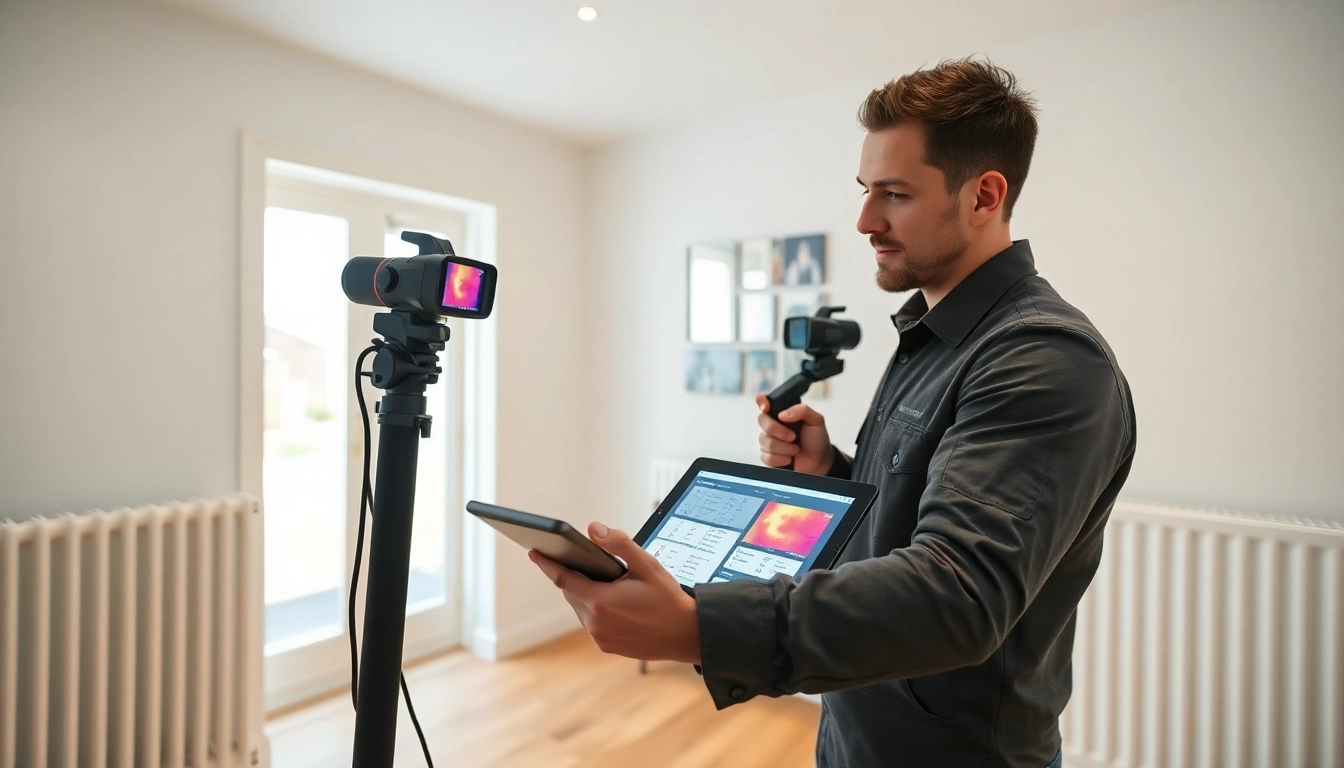
Thermal imaging cameras are a revolutionary tool in leak detection. By providing a visual map of temperature variations, these cameras can help detect heat loss due to leaks or inefficiencies within the system. Technicians can identify the exact location of a leak, even behind walls or under floors, without invasive procedures.
Acoustic Listening Devices Explained
Another powerful method for detecting leaks is the use of acoustic listening devices. These tools amplify the sounds of water escaping through pipes, making it possible to locate leaks that may be hidden from view. This technique is particularly effective for leaks that occur in hard-to-reach areas.
Pressure Testing Methods for Precision
Pressure testing is also a crucial technique employed by professionals. By isolating sections of the heating system and monitoring pressure changes, technicians can confirm the presence and location of leaks with high accuracy. This method can be used on both new installations and existing systems to ensure their integrity.
The Benefits of Non-Invasive Leak Detection
One of the primary advantages of modern leak detection methods is their non-invasive nature. Homeowners can enjoy the following benefits:
Minimizing Property Damage
Traditional leak detection methods often required extensive excavation or removal of structural elements. In contrast, advanced technologies allow technicians to pinpoint leaks with minimal disruption, preserving the integrity of walls, floors, and fixtures.
Time and Cost Efficiency
Non-invasive leak detection is not only quicker but often more cost-effective than traditional methods. By reducing the amount of labor and materials required for repairs, homeowners can save significantly on overall costs associated with leak detection.
Improving Home Safety and Efficiency
By promptly identifying and addressing leaks, homeowners can improve the overall safety and efficiency of their heating systems. This not only enhances comfort but also reduces energy consumption, leading to lower utility bills and a smaller carbon footprint.
DIY Methods vs. Professional Services
Homeowners may be tempted to try DIY methods for detecting leaks in their central heating systems. While some approaches can be effective, they often come with limitations.
When to DIY Leak Detection
Simple signs, such as visible leaks or dripping water, can easily be identified by homeowners without professional help. In these cases, minor repairs may be feasible, such as tightening fittings or replacing valves.
Limitations of DIY Approaches
For more complex issues, DIY methods can lead to misdiagnosis and further damage. Homeowners may lack the specialized equipment and knowledge required to identify hidden leaks accurately. Since central heating systems can be intricate, relying solely on DIY methods can ultimately cost more in the long run.
Choosing the Right Professionals for Leak Detection
When it comes to selecting a leak detection service, it’s crucial to choose a qualified professional. Look for services that offer:
- Certifications: Ensure the technicians have relevant training and certifications in leak detection.
- Positive Reviews: Check customer feedback to gauge the reliability and quality of service.
- Comprehensive Services: Select a company that specializes in a wide range of leak detection methods to ensure thorough assessments.
Future Trends in Leak Detection Technology
As advancements continue to emerge, the future of leak detection technology looks promising. Here are some trends to watch for in 2025 and beyond.
Emerging Technologies for 2025
New technologies, such as drones equipped with thermal imaging and AI-powered leak detection systems, are on the horizon. These innovations promise to enhance detection accuracy and efficiency further, offering even more non-invasive solutions to homeowners.
Anticipating Customer Needs in Leak Detection
As customer demands evolve, leak detection services must adapt to provide tailored solutions. This may include more flexible scheduling options, remote diagnostics, and comprehensive service packages that encompass regular maintenance and inspections.
How to Stay Ahead of Industry Developments
Homeowners should stay informed about the latest developments in leak detection technology. By understanding new methodologies and tools, they can make better decisions when selecting services for their central heating systems.