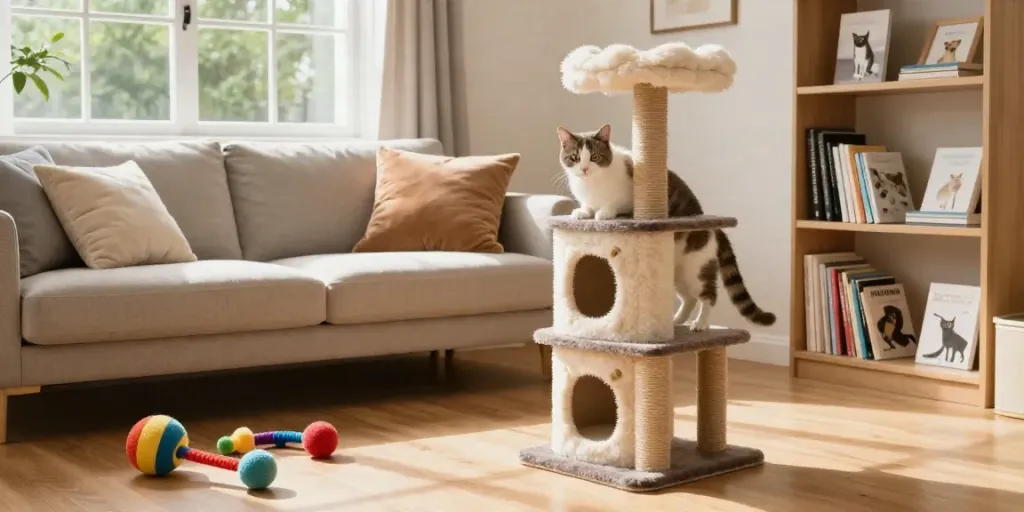
Understanding the Benefits of Cat Towers
Cat towers, also known as cat trees, serve as delightful playgrounds for our feline companions, providing them with an outlet for their natural instincts. These structures not only offer a space for climbing and perching but also cater to essential behaviors such as scratching and resting. Engaging a cat with a well-constructed cat tower is crucial for their overall well-being. When exploring options, cat tower selections provide comprehensive insights into the various designs and functionalities available today, ensuring your pet gets the best experience possible.
Why Cats Love Climbing and Scratching
Cats are inherently climbers. In the wild, they seek high vantage points to observe their surroundings, stay safe from predators, and stalk prey. Climbing offers both physical exercise and mental stimulation, which are critical for maintaining a healthy weight and an engaged mind. Furthermore, scratching is a natural instinct that helps cats manage their claws, mark territory, and stretch their bodies. A well-designed cat tower accommodates these behaviors, allowing your feline to scratch, climb, and relax in a secure environment.
The Health Advantages of Cat Towers for Your Feline
Investing in a cat tower contributes significantly to your cat's physical and mental health. By providing an appropriate outlet for scratching, cat towers can prevent behavior issues like clawing furniture. Additionally, climbing helps maintain muscle tone and promotes physical activity. Towers with multiple levels stimulate mental engagement, reducing boredom and potential obesity, which is a rising concern among house cats. Moreover, having a dedicated space can help alleviate anxiety, especially in multi-pet households where territorial disputes may arise.
Choosing the Right Cat Tower for Your Pet
Selecting the right cat tower depends on several factors, including your cat's size, age, and activity level. For example, young kittens are often more playful and require structures that allow for vigorous climbing and exploration, whereas older cats might prefer lower, more stable towers with cozy spots for resting. Pay attention to tower height, material quality, and additional features like scratching posts or attached toys, which can enhance your cat's experience.
Types of Cat Towers Available
Multi-Level Towers vs. Simple Structures
When considering a cat tower, understand the differences between multi-level towers and simple structures. Multi-level towers offer various platforms and condos, providing multiple areas for your cat to explore and rest. They are ideal for active cats needing a lot of stimulation and play space. In contrast, simpler structures are typically lower and may have fewer features, making them suitable for kittens or older cats who might struggle with height.
Materials Used in Cat Towers: What to Look For
The materials used to construct cat towers greatly influence their durability and safety. Look for towers made from high-quality wood or sturdy engineered materials that can withstand rough play. The surfaces should be covered with soft fabrics or sisal for scratching, which provides both comfort and functionality. Additionally, ensure that the tower design incorporates solid bases to prevent tipping during vigorous play.
Cat Towers Designed for Large Cats vs. Kittens
Not all cat towers are created equal; some are specifically designed for larger breeds or multiple cats, while others cater to smaller kittens. Larger cat towers often feature reinforced structures, wider platforms, and sturdy scratching posts to accommodate heavier weights. On the other hand, kitten towers are usually lower and designed to encourage safe climbing without risking injury. Understanding your cat's size and energy level is crucial in making the right choice.
Purchasing Considerations for Cat Towers
Budgeting: How Much to Spend on a Quality Cat Tower
Budgeting for a cat tower can vary widely, with prices ranging from affordable options to high-end luxury models. Typically, a decent multi-level tower suitable for an average cat can cost between $100 to $300. While it might be tempting to opt for the cheapest option, investing in a robust, well-constructed tower can save you money in the long run, as it will last longer and provide more features.
Where to Buy: Online vs. Retail Options
When it comes to purchasing cat towers, you have the choice of online retailers or brick-and-mortar stores. Online shopping offers greater variety and often better prices, with the convenience of home delivery. However, if possible, visiting a physical store allows you to assess the tower's stability and quality firsthand. Consider reputable brands and check customer reviews to ensure you’re making a wise investment.
Reviews and Ratings: What to Trust
When evaluating potential purchases, reading reviews and ratings is essential. Look for products with high ratings that specifically mention durability, stability, and whether the tower met the needs of various cat sizes. Beware of overly positive reviews that may not reflect the true quality of the product. Detailed reviews that address both positives and negatives can provide a clearer picture of what to expect.
Customizing Your Cat Tower Experience
Enhancing the Cat Tower with Accessories
Customizing your cat tower can enhance your cat's experience significantly. Accessories such as hanging toys, sisal rope scratchers, or even cushions can make their tower more inviting and engaging. Consider your cat’s preferences when selecting these items; some cats may enjoy interactive toys, while others prefer cozy spots for lounging. This thoughtful addition can keep your cat entertained for hours.
Color and Design: Matching Your Home Decor
Cat towers come in various colors and styles, enabling you to choose one that complements your home decor. From sleek, modern designs to more traditional looks, there’s a cat tower to fit every aesthetic. Consider the color palette and style of your home when selecting a tower, as this can help it blend seamlessly into your living space.
Training Your Cat to Use Their Tower
Training your cat to use their tower can take some time and patience. Encourage exploration by placing treats or favorite toys at different levels of the tower. Use positive reinforcement, such as petting or additional treats, when your cat engages with the tower. This technique helps build a positive association, encouraging regular use of the tower.
Future Trends in Cat Towers for 2026
Innovative Features to Look Forward To
The future of cat towers is poised for exciting innovations in 2026. Expect to see designs that incorporate more interactive elements, such as built-in toys, climbing walls, and even integrated feeding stations, which could stimulate both physical and mental activity. These fresh concepts are aimed at enriching the lives of pets through more engaging play environments.
Eco-Friendly Materials and Designs
As sustainability continues to be a significant focus, eco-friendly cat towers made from reclaimed wood or non-toxic materials are becoming more popular. Consumers are increasingly looking for products that are both functional and environmentally responsible. Expect to see an uptick in manufacturers focusing on sustainable practices and materials in their designs.
Smart Cat Towers: Technology Integration for Pets
The integration of technology into cat towers is just beginning, with the potential for smart features that can enhance your pet's experience. Imagine towers equipped with sensors to monitor your cat's playtime, or even integrated cameras that allow you to check in on your pet while you’re away. These advancements will create an interactive and fun space for your cat, making it an exciting area in your home.
What Should You Consider When Purchasing a Cat Tower?
When purchasing a cat tower, consider factors like size, stability, and design features. Assess how many cats will use the tower and whether it accommodates their size and activity levels. Look for towers with quality materials that can withstand significant wear and tear, and evaluate added features such as scratching posts, hideaways, and platforms to enhance your cat's overall experience.
How Do I Encourage My Cat to Use Their New Tower?
Encouraging your cat to use their new tower can sometimes be a challenge. Start by placing treats or their favorite toys on the tower to spark their curiosity. Additionally, you can use catnip to make the tower more enticing. Patience is key, as some cats take longer to adjust to new furniture.
What Size Cat Tower is Best for My Cat?
The best size for a cat tower largely depends on your cat's size and behavior. For larger breeds, opt for towers with wider bases and stronger platforms to support their weight. Kittens, on the other hand, can use smaller structures that promote safe climbing. Consider the height of your ceilings as well; a tower that is too tall may not fit comfortably in your space.
Are Multi-Level Cat Towers Worth the Investment?
Multi-level cat towers are often worth the investment, as they provide ample space for climbing, resting, and exploring. These towers encourage exercise and mental stimulation, helping prevent obesity and boredom-related behaviors. If your cat is active and enjoys vertical climbing, a multi-level design will likely meet their needs and offer lasting value to your home and your pet.