Understanding Central Heating Hidden Leaks
Central heating hidden leaks are a common yet often overlooked issue in many households. These leaks can occur without visible signs, making them particularly insidious. If left undetected, they can lead to significant damage to your home, increase energy bills, and pose safety hazards. Understanding the nature of these leaks is crucial for timely detection and effective management. When exploring options, central heating hidden leak detection services can provide comprehensive insights into the solutions available for your specific issues.
What Are Central Heating Hidden Leaks?
Central heating hidden leaks refer to undetected water loss occurring within the heating system of your home. Unlike visible leaks, these can develop in inaccessible areas such as behind walls, under floors, or within ceilings. These leaks may arise from corroded pipes, faulty connections, or damaged fittings. They can drastically affect your system's efficiency and increase operational costs due to wasted water or reduced heating capacity. Early identification is vital to prevent further damage and costly repairs.
Common Symptoms and Warning Signs
Recognizing the warning signs of central heating hidden leaks can save homeowners significant headaches and expenses. Key symptoms include:
- Unexplained Increase in Bills: An unusual spike in your energy bill might indicate a leak, as the heating system works harder to maintain the desired temperature.
- Cold Spots on Radiators: Cold areas on radiators could suggest that water is not circulating correctly due to a leak.
- Unusual Sounds: Sounds of dripping or hissing may indicate escaping water or gas.
- Damp Patches: Visible dampness on walls or ceilings can be a result of water seeping from hidden leaks.
- Loss of Boiler Pressure: Frequent need to top up the boiler pressure could suggest a leak in the system.
The Impact of Delayed Detection
Failing to address hidden leaks promptly can have significant consequences. Water damage can lead to structural complications, mold growth, and damage to personal belongings. Furthermore, a neglected leak can reduce the efficiency of your heating system, resulting in increased energy costs. If gas leaks occur, they can pose serious safety risks, including potential explosions. Therefore, maintaining vigilance and promptly addressing any signs of leaks can not only protect your home but also save you money in the long run.
Advanced Leak Detection Techniques
Employing advanced leak detection techniques is essential for effectively identifying central heating hidden leaks. The following methods are commonly utilized by professionals:
Pressure Testing: A Proven Method
Pressure testing involves isolating sections of the heating system and monitoring pressure changes. A drop in pressure typically indicates a leak, allowing technicians to pinpoint the exact location for repairs. This method is efficient and minimizes disruption to your home.
Using Thermal Imaging for Precision
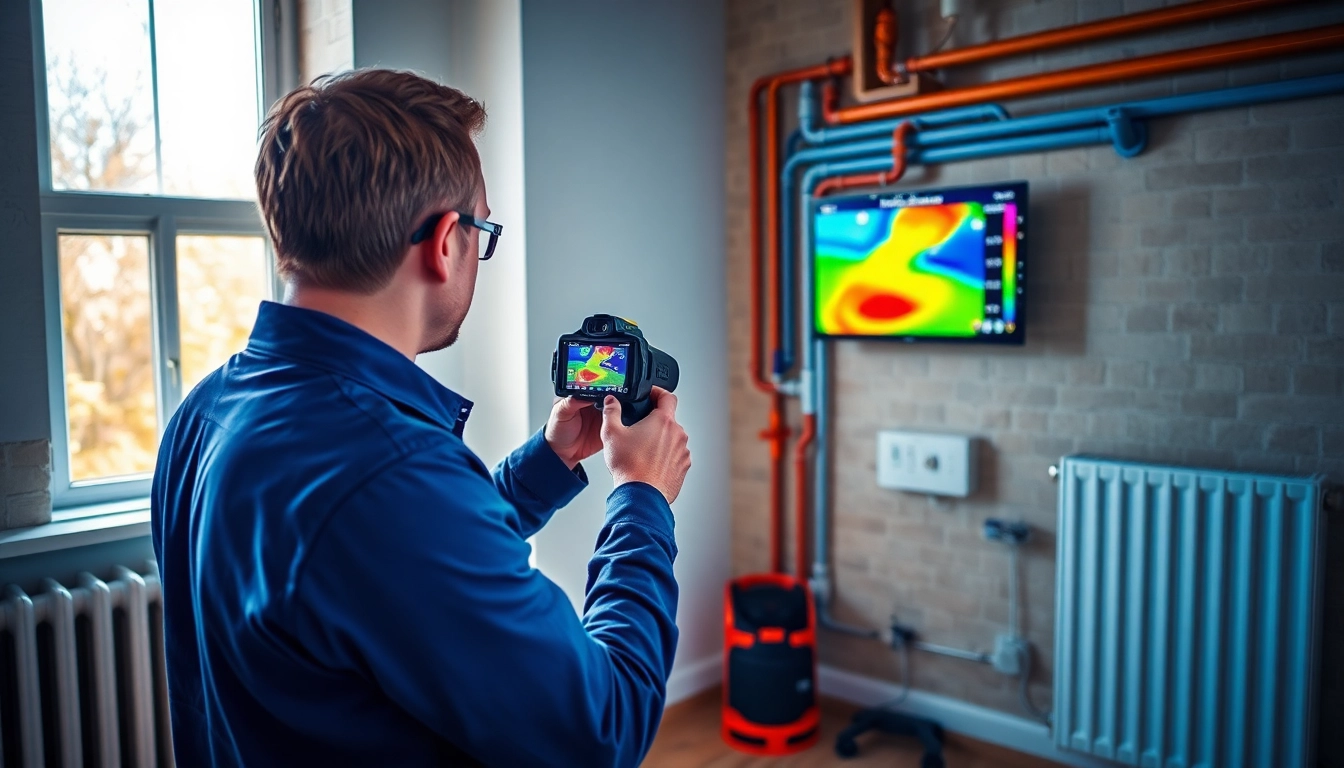
Thermal imaging cameras can detect temperature variations caused by warm water escaping from pipes. This non-invasive method is particularly useful for identifying hidden leaks behind walls or under floors without requiring significant demolition or disruption.
Tracer Gas Detection Explained
Tracer gas detection involves introducing a safe, odorless gas into the system. When the gas escapes through a leak, it is traced back to the source using sensitive detection equipment. This method is especially effective for locating very small or difficult-to-access leaks.
DIY vs. Professional Leak Detection
When it comes to addressing central heating hidden leaks, homeowners may wonder whether to tackle the issue themselves or enlist professional help. Both approaches have their benefits and drawbacks.
Signs You Need a Professional Technician
While some minor leaks can be managed through DIY methods, certain signs indicate the need for a professional. If you notice significant drops in boiler pressure, multiple signs of damp, or if the system is not functioning effectively, it's time to contact an expert. Professional leak detection services employ advanced technologies that provide accurate results and minimize damage.
Simple DIY Checks for Homeowners
Homeowners can perform basic checks to identify potential problems in their central heating systems:
- Inspect Radiators: Regularly check for cold spots or leaks around radiator valves.
- Monitor Boiler Pressure: Keep an eye on the pressure gauge and note any significant fluctuations.
- Examine the Surroundings: Look for damp patches on walls or ceilings, especially near the heating pipes.
Cost-Effective Solutions to Avoid Water Damage
Implementing regular maintenance and inspections can greatly reduce the risk of hidden leaks. Early identification of issues can result in minimal repairs instead of extensive water damage. Additionally, using high-quality materials for your heating system can improve durability and reduce the likelihood of leaks.
Preventing Central Heating Hidden Leaks
Taking proactive measures can help prevent central heating hidden leaks from occurring in the first place. The following best practices are crucial for maintaining a leak-free heating system.
Regular Maintenance Best Practices
Scheduling routine maintenance checks with certified technicians ensures your heating system remains in optimal condition. Regular flushing of the system can prevent sludge buildup and corrosion, which are common causes of leaks. Additionally, a qualified technician can inspect the system for signs of wear and tear.
How to Ensure System Integrity
Ensuring the integrity of your central heating system can involve several strategies, including:
- Routine Inspections: Regularly check for any signs of wear in your piping and fittings.
- Use Quality Materials: Investing in durable and corrosion-resistant materials can significantly minimize leak risks.
- Temperature Control: Avoid overheating the system, as excessive temperature can lead to material stress and eventual leaks.
Upgrading to Superior Materials and Technology
Advancements in materials and technologies can enhance the performance of your central heating system. For instance, using cross-linked polyethylene (PEX) pipes instead of traditional copper or PVC can significantly reduce the likelihood of leaks. PEX is more flexible, resistant to scaling and corrosion, and expands to prevent bursting in freezing conditions.
Future Trends in Leak Detection for 2025
As technology continues to evolve, the future of leak detection looks promising. Innovations on the horizon aim to enhance the efficiency and accuracy of detecting hidden leaks.
Innovative Technologies on the Horizon
Emerging technologies such as smart sensors and IoT (Internet of Things) integrations are set to revolutionize leak detection. These systems can provide real-time monitoring and alerts, allowing homeowners to act swiftly in case of a leak.
Emerging Best Practices in the Industry
The leak detection industry is shifting towards more sustainable and efficient practices. As awareness increases, professionals are incorporating eco-friendly materials and methods into their services to minimize environmental impacts.
Anticipating Customer Needs for Leak Solutions
As customers become more aware of the implications of hidden leaks, the demand for comprehensive, efficient solutions will continue to grow. Companies must adapt their services to meet these expectations, offering not only detection but also preventative measures to ensure long-term protection of properties.