
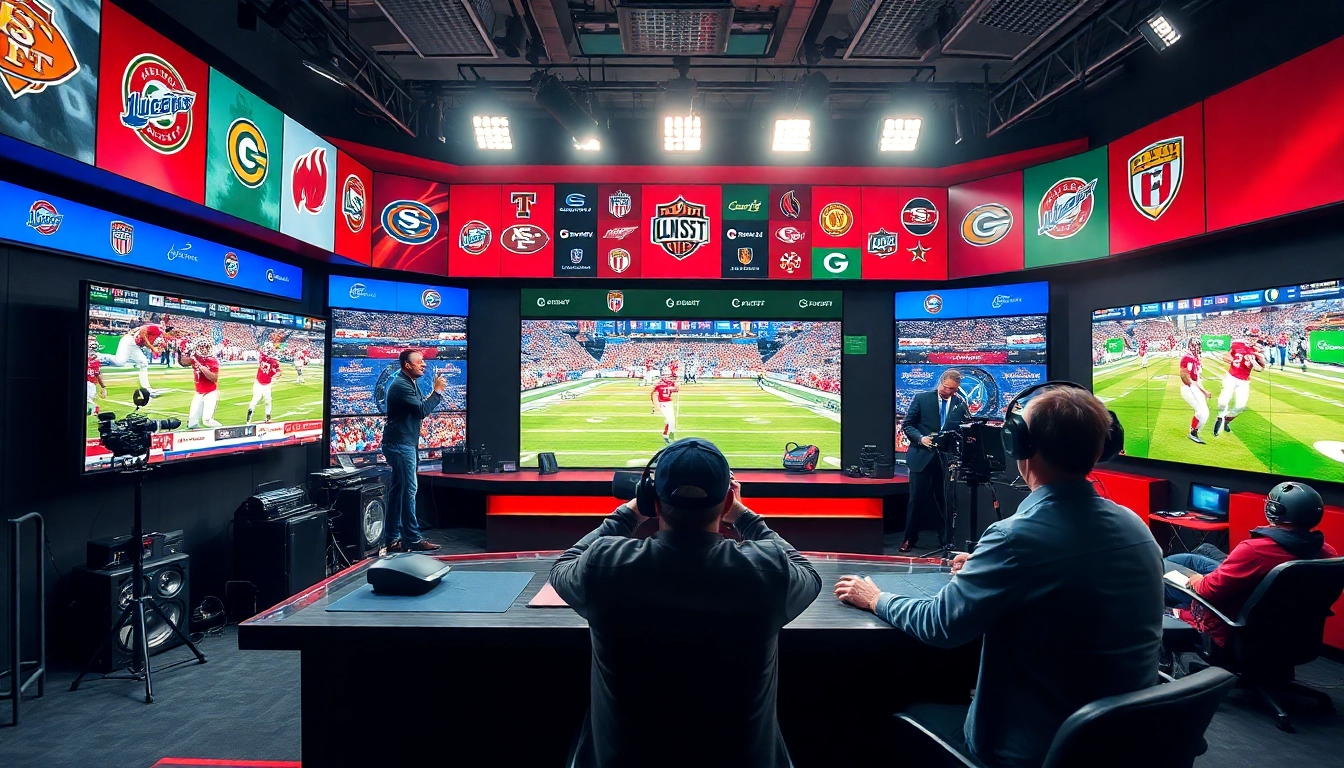
Understanding Sports Broadcasting
Definition and Overview of Sports Broadcasting
Sports Broadcasting is a specialized segment of media that focuses on the live transmission of sporting events to audiences around the world. This often involves a combination of television, radio, and online platforms to ensure that fans have access to their favorite sports and teams. The core of Sports Broadcasting is to bring the thrill of the game directly to spectators, whether they are at home, in public venues, or on-the-go via mobile devices. The vast reach of sports broadcasting has established it as a multimillion-dollar industry, deeply intertwined with journalism, entertainment, and technology.
The Evolution of Sports Broadcasting Technology
The journey of sports broadcasting began in the early 20th century with radio broadcasts, which significantly changed the way fans engaged with sports. As technology evolved, television became the dominant medium, bringing unprecedented visual experiences to viewers. In recent years, streaming services and mobile applications have revolutionized how audiences consume content, enabling live broadcasts without geographical restrictions. Today, innovations include Ultra HD, 4K resolution, and virtual reality experiences, enriching the viewer’s experience and engagement.
Global Influence of Sports Broadcasting
Sports broadcasting wields considerable influence on a global scale, connecting people from diverse backgrounds through a shared love for sports. Major events like the Olympics and FIFA World Cup unify viewers and create communal experiences, driving not only fan engagement but also local economics, tourism, and international marketing. The accessibility of broadcasts across the globe has brought attention to lesser-known sports, creating new opportunities for cultural exchange and growth within the sports industry.
Key Components of Sports Broadcasting
Equipment Used in Sports Broadcasting
The backbone of any sports broadcasting operation is its equipment. This includes high-definition cameras, microphones, broadcasting trucks, and sophisticated editing suites. Each element plays a crucial role in capturing high-quality footage and delivering audio-visual content seamlessly to the audience. For large-scale events, multiple cameras positioned around the venue help provide various angles and perspectives, enriching the viewing experience. The selection of appropriate technology impacts production quality, viewer engagement, and ultimately, the success of the broadcast.
The Role of Commentators and Hosts
Commentators and hosts are vital components that enhance the viewing experience through their ability to provide insights, analysis, and entertainment. A skilled commentator can turn a standard game into an engaging spectacle by conveying the drama and nuances of the action on screen. Additionally, hosts play a crucial role in guiding the audience through live broadcasts, showcasing interviews, and engaging with fans. Their charisma and expertise often shape viewers' perceptions and enhance the emotional connection with the events being broadcasted.
Importance of Live Streaming in Sports Broadcasting
Live streaming has revolutionized sports broadcasting, allowing fans to access events in real-time from almost any device. This advancement has led to a significant shift in viewer habits, with many opting for online platforms over traditional cable television. The interactivity offered through live streaming—including chatting with other viewers and participating in real-time polls—has transformed passive viewing into an active experience. Furthermore, the ability to watch on-demand highlights after the event adds another layer of engagement, ensuring continued viewer interest.
Challenges in the Sports Broadcasting Industry
Managing Broadcast Rights and Licenses
One of the most significant challenges in the sports broadcasting industry is the management of broadcast rights and licenses. Securing the legal permissions necessary to air sporting events can be a complex and costly process, as competition for these rights is fierce among networks and streaming platforms. Failure to navigate these intricacies can result in legal disputes and loss of potential revenue. Consequently, broadening partnerships and fostering relationships with sports leagues and governing bodies has become crucial to ensuring access to content and driving profitability.
Competition from Digital Media Platforms
The rise of digital media platforms presents a formidable challenge for traditional sports broadcasters. With audiences increasingly turning to social media, video-sharing sites, and dedicated streaming services for their sports content, traditional broadcasters have to adapt rapidly to changing consumption patterns. To remain competitive, companies are integrating social media strategies and creating exclusive online content that appeals to the digital-savvy audience, ensuring they retain audience interest in a crowded marketplace.
Technical Challenges During Live Events
Live broadcasting comes with its own set of technical challenges, including equipment failure, signal disruptions, and power outages. These issues can massively disrupt the viewing experience. Therefore, broadcasters must have contingency plans and backup systems in place to address potential hiccups swiftly. Additionally, maintaining high-quality audio and video transmission is essential, especially during high-stakes moments in a live game, to prevent viewer frustration and loss of engagement.
The Future of Sports Broadcasting
Emerging Technologies in Sports Broadcasting
The future of sports broadcasting is poised for tremendous transformation due to emerging technologies. Developments such as augmented reality (AR) and virtual reality (VR) are set to enhance viewer experiences by allowing fans to immerse themselves in the event as if they were physically present. Artificial intelligence (AI) is also playing a role in automating content creation, analyzing viewer data for better targeting, and delivering personalized experiences that cater to individual preferences. These innovations are expected to redefine how sports content is created, distributed, and consumed.
Changing Viewer Expectations
As technology continues to evolve, so do viewer expectations. Today's audiences demand high-quality, immersive experiences that go beyond traditional broadcasts. This includes multi-angle views, interactive statistics, and real-time updates that enhance the overall viewership experience. Broadcasters will need to continuously innovate and adapt their offerings to meet these rising standards, ensuring they not only capture audience attention but also keep them engaged long term.
Innovations in Engagement Strategies
To foster stronger connections with audiences, sports broadcasters are exploring innovative engagement strategies that include gamification, social media interaction, and interactive storytelling. These strategies encourage viewer participation, making the experience more personal and enjoyable. Building communities through platforms where fans can discuss highlights, express opinions, and engage directly with broadcasters and teams can lead to a more loyal viewer base and increased revenue through advertising and sponsorships.
FAQs about Sports Broadcasting
What is Sports Broadcasting?
Sports Broadcasting involves the live transmission of sports events through various media such as television, radio, and online platforms, aiming to deliver engaging content to fans.
How do broadcasters acquire sports rights?
Broadcasters typically negotiate contracts with leagues and organizations to acquire broadcasting rights, often through competitive bidding processes that can be quite costly.
What technologies are essential for sports broadcasting?
Essential technologies include HD cameras, mixing consoles, broadcasting trucks, and software for live streaming and editing to enhance production quality.
How has streaming changed sports broadcasting?
Streaming has changed sports broadcasting by allowing real-time viewing on various devices, increasing accessibility, and enabling interactive features that enrich fan engagement.
What are the future trends in sports broadcasting?
Future trends include the use of AR and VR experiences, AI in content creation, and strategies aimed at increasing viewer engagement through interactive broadcasts.